Choosing the right kitchen sink depends on your kitchen’s aesthetic, personal style, budget, and preferred materials. This guide will simplify the decision-making process by giving a detailed overview of the top kitchen sink types based on mounting style, basin configuration, and material, along with the pros and cons of each.
Sink Type by Mounting Style

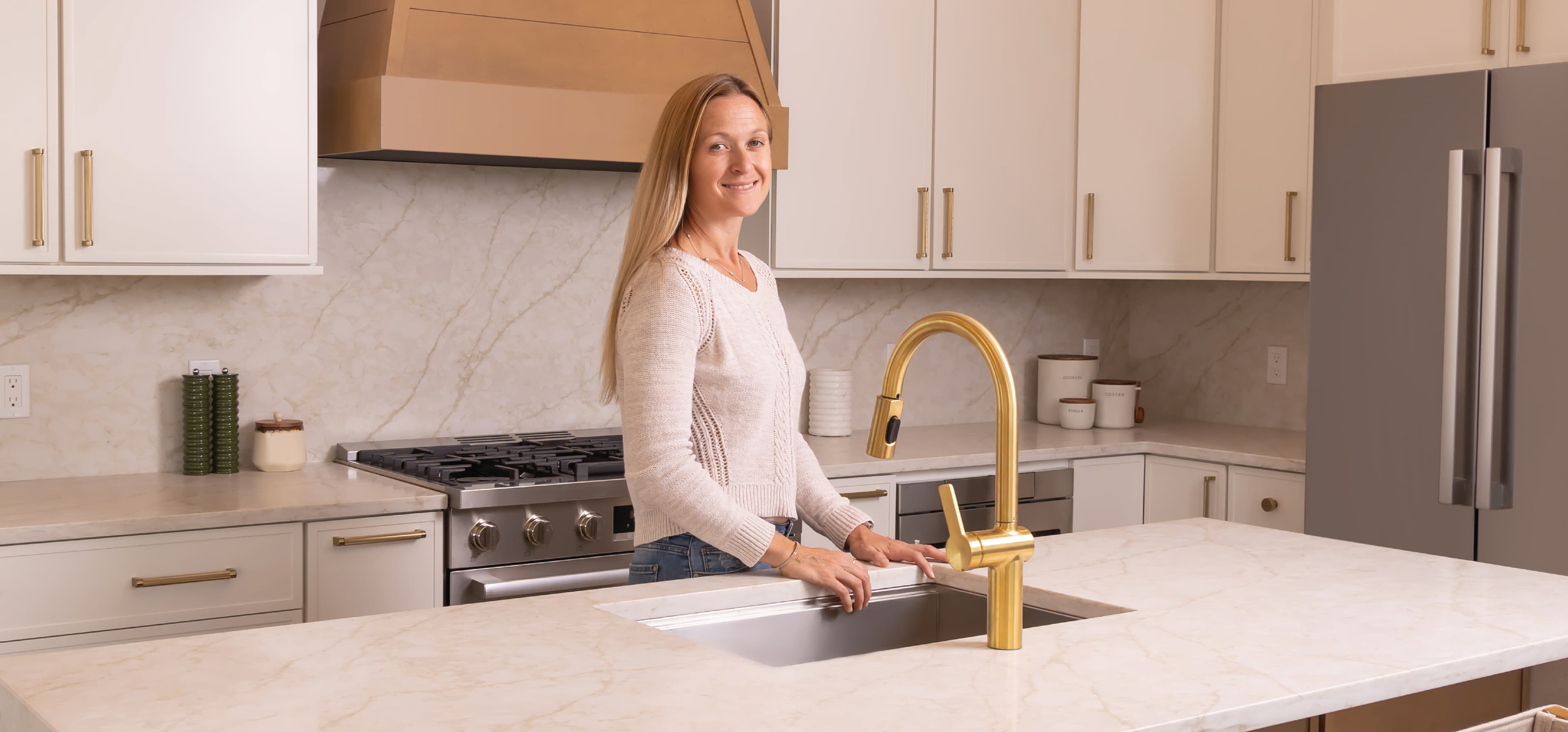
1. Undermount sink—an undermount sink is installed below the countertop's level, offering a sleek look. It works well with strong counters like marble and quartz, requiring significant support beneath the counters.
Pros:
Clean and sleek look
Easy to clean since debris can be swept right into the sink and there are no corners for dirt to get stuck in
Gives the kitchen a custom look
Cons:
Higher cost
Needs professional installation
Needs precise countertop cutout

2. Drop-in sink/top mount- these are installed by making a rough cut hole in the counter and dropping the sink into the hole. The rim sits on the counter to provide support.
Pros:
Can DIY easily
Lower cost than undermount sinks
Cons:
Rim takes up counter space
Doesn’t work well if you want a seamless look on the countertop

3. Farmhouse/apron sink- farmhouse sinks expose the front of the sink and have a large basin. This is ideal for oversized pots and pans. These can be undermount but always have an exposed front.
Pros:
Large basin
Stylish and timeless
Cons:
Costs more than a standard sink
Requires custom cabinets and professional installation
Takes up a lot of counter space
4. Integrated sink- these are made from the same materials as the counters, creating a seamless appearance. They are often made of stainless steel, quartz, or acrylic.
Pros:
Smooth, seamless look
Easy to clean
Customizable
Cons:
More expensive
Sink and countertop would need to be replaced together

5. Vessel sink- this sink sits on the counter, almost like a standalone piece.
Pros:
Unique and stylish
No countertop cutting needed
Cons:
Less stable since the sink is only secured at one point
Exposed sides are prone to chipping

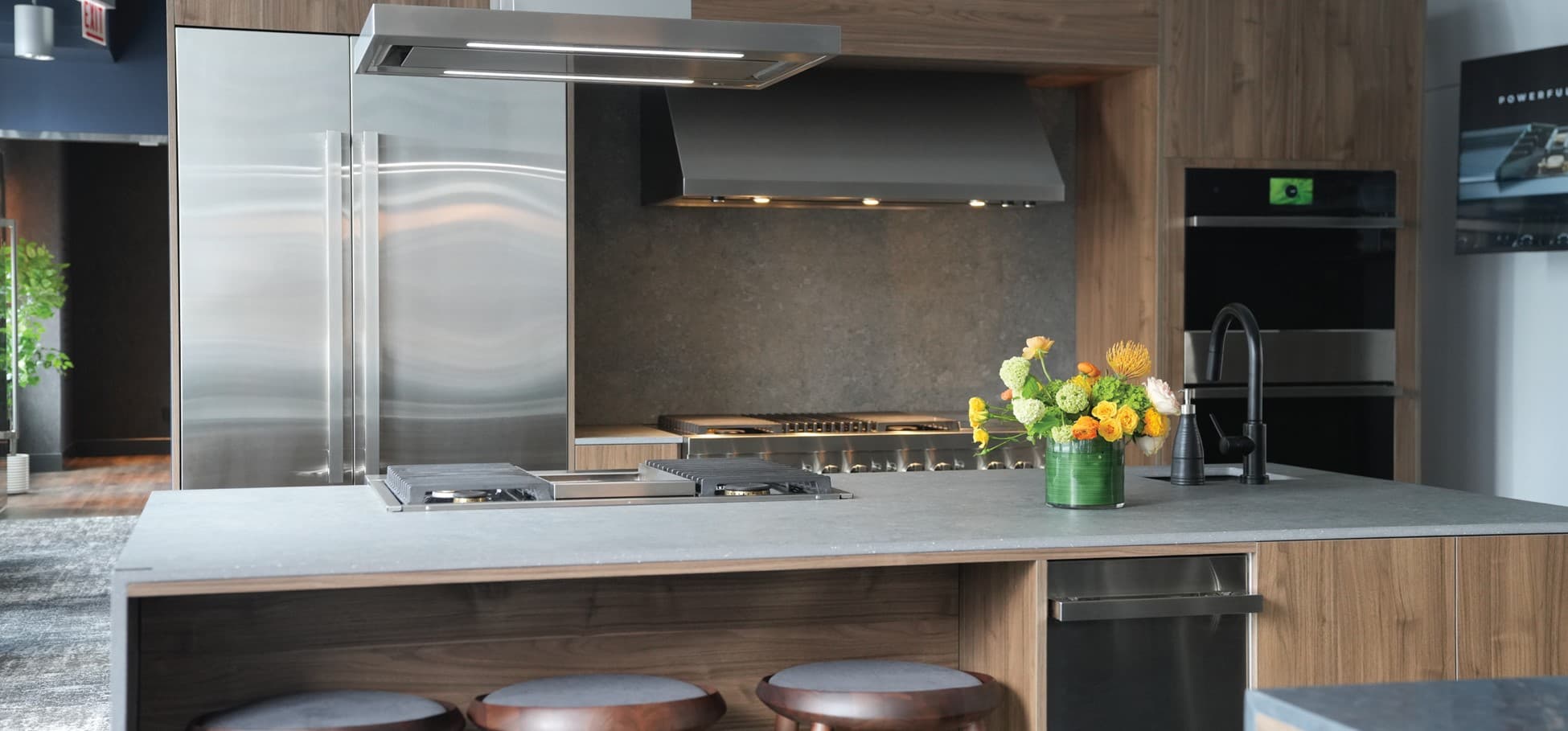
6. Island/prep sink- these smaller sinks are ideal for food prep and work well in addition to a main sink.
Pros:
Helps with multitasking
Saves counterspace
Cons:
Added plumbing costs
Limited use due to small size

7. Flush mount sink- a flush mount sink looks similar to an undermount sink, providing a continuous flow between the counter and sink. The difference is in the installation process.
Pros:
Seamless flow with the counter
Clean and modern look
Cons:
Needs professional installation
It is hard to level the sink with the counter
Sink Type by Basin Configuration

1. Single basin sink—this sink features one large basin, ideal for washing large dishes. We’ve heard from countless homeowners who prefer this sink style just for this reason.
Pros:
lots of space
classic look
Cons:
doesn’t have a separate basin for washing veggies or food prep

2. Double basin sink- these sinks feature two separate compartments separated by a divider.
Pros:
Allows for multitasking
Can be used for different kitchen tasks
Cons:
Takes up more space
3. Multiple basin sink- these feature three or more basins of different sizes, perfect for various tasks.
Pros:
Great for multitasking
Cons:
Takes up a lot of counter space
Sink Type by Material

1. Stainless steel- available in various styles, stainless steel sinks are durable and easy to clean and maintain. They are a practical choice for busy kitchens.
Pros:
Durable
Easy to clean
Budget friendly
Cons:
Prone to hard water stains
Can be noisy while using the sink.
2. Cast iron sink- cast iron sinks have a heavy iron base coated with enamel. This is the most durable sink type and lasts for years.
Pros:
Resistant to dents
Easy to maintain
Long-lasting
Cons:
Very heavy, may need extra support
Expensive
3. Quartz sink- these sinks are made from a mix of quartz and resin, offering plenty of durability.
Pros:
Durable
Easy to maintain
Good sound absorption
Cons:
Can cause dishes to break if dropped in the sink
Very heavy
4. Porcelain sink- porcelain sinks are made from a mix of materials- glass, metal, and clay. They offer a smooth and classic look.
Pros:
Classic look
Durable
Resistant to stains and heat
Cons:
Heavy, needs extra support
Can chip and dent
5. Natural stone sink- these sinks are made of marble, soapstone, and granite for a timeless appeal.
Pros:
Unique look
Very durable and long-lasting
Resistant to scratches and heat
Cons:
Very expensive
Heavy, needs extra support
Regular maintenance is needed to prevent damage
6. Fireclay sink- these sinks are made by heating clay to very high temps to create a durable sink.
Pros:
Durable and resistant to stains and heat
Handcrafted
Cons:
Heavy, needs additional support
Expensive
Can chip if heavy pots are dropped inside
Tried and True Kitchen Sink Considerations
Material preferences
Most people prefer stainless steel for their kitchen sinks. It is highly recommended for its durability, ease of maintenance, and antibacterial nature. For better dent resistance, people opt for 16-gauge stainless steel.
Recommendations
It’s best to avoid perfectly square corners, which can trap dirt.
A kitchen sink depth of 9 inches is best for ease of use.
Choose sinks with soundproofing features such as sound pads and undercoating.
Sink features
Use built-in accessories like roll-up drying racks, cutting boards, and colanders.
Sinks with a drain set towards the back maximize the cabinet space underneath.
Ergonomic considerations
The optimal depth is 8-10 inches. A sink that is too deep will strain your back, and a sink that is too shallow will splash water on you.
Work zones

Consider the sink’s placement in the kitchen work triangle. This can minimize movement while cooking and enhance efficiency.
Cleaning tips
Use nonabrasive cleaners and sponges to avoid scratches.
Bar Keeper’s Friend is an excellent cleaner that can blur out scratches over time.
Consider these points from homeowners who have already gone through the process. It's also vital to measure and choose the correct sink size for your kitchen size and types of cabinets to know you are picking the best for your home and lifestyle.
Choosing your kitchen sink is about more than style. It's about functionality, maintenance, lifestyle, and budget. By understanding the different types of sinks—whether by mounting style, basin configuration, or material—you can decide which sink style is best for you. For help configuring your ideal kitchen and sink style, reach out to your local dealer.
FAQS
What is the easiest sink to clean?
Stainless steel sinks are the easiest to maintain, along with porcelain.
What is the best material for a kitchen sink?
The best materials for a kitchen sink are stainless steel and cast iron. Both are extremely durable and easy to clean and maintain.
How do I choose a kitchen sink material?
Choosing a kitchen sink depends on personal preference, aesthetics, durability, cost, lifespan, and your lifestyle (how often you will use your sink).